Eight years, in order
FIRST Lego League — the beginning
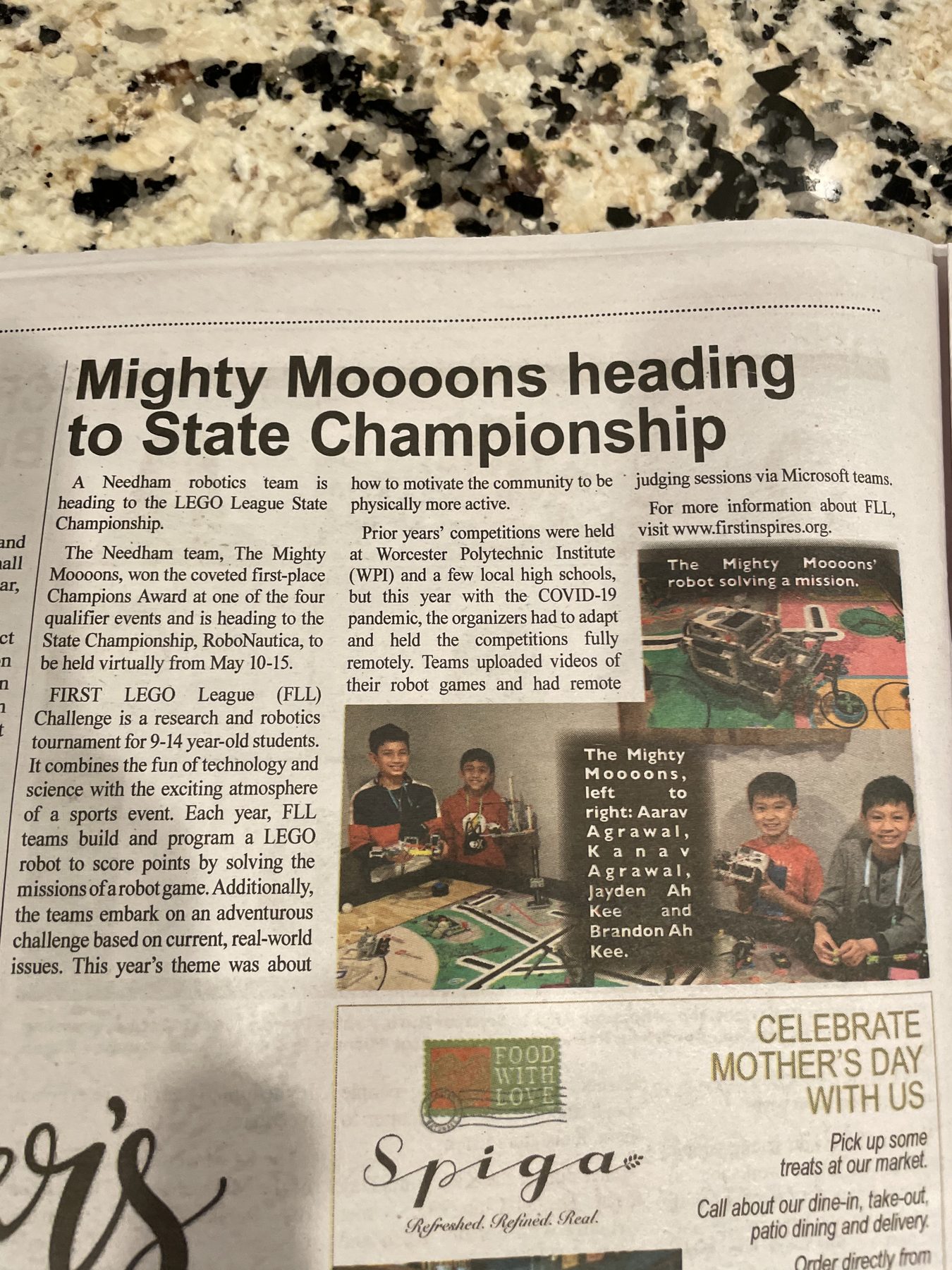
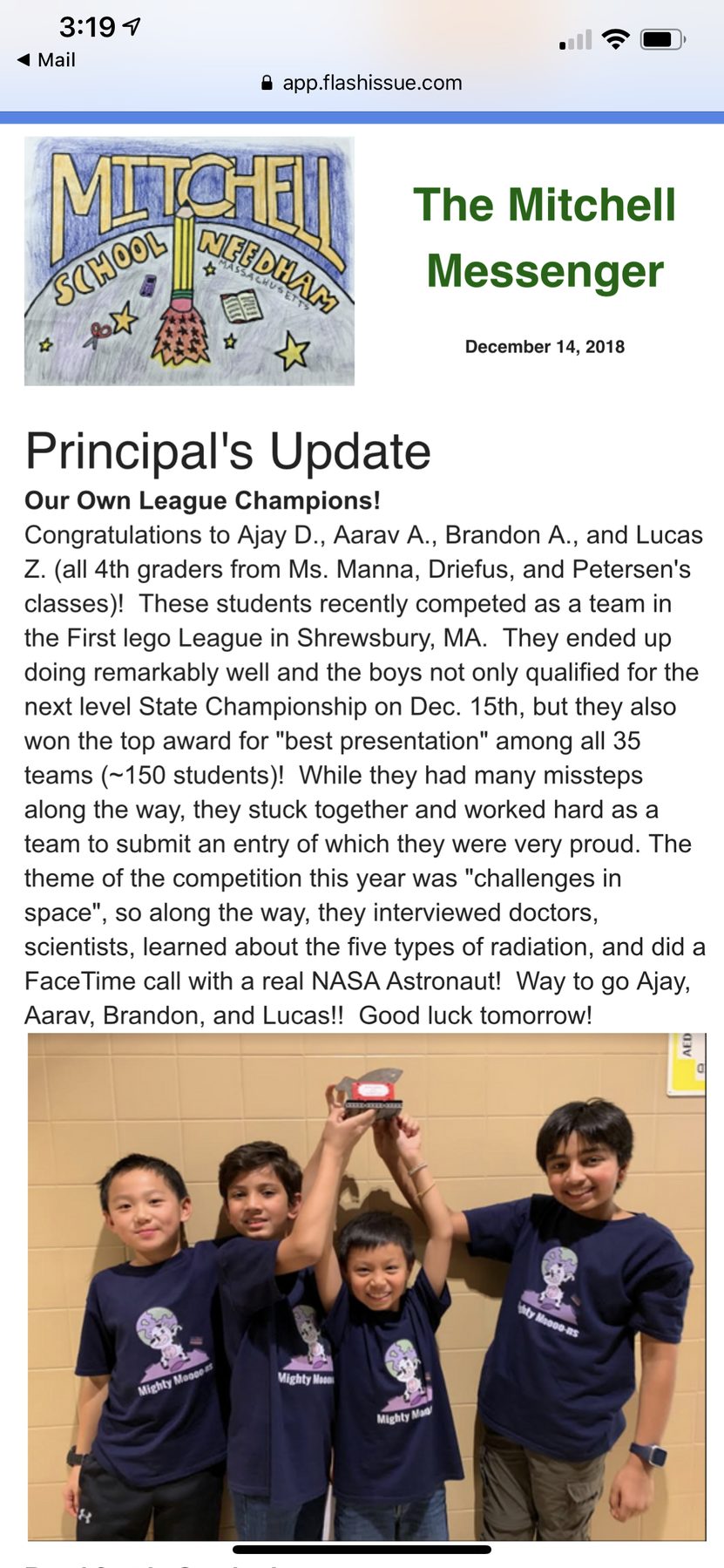
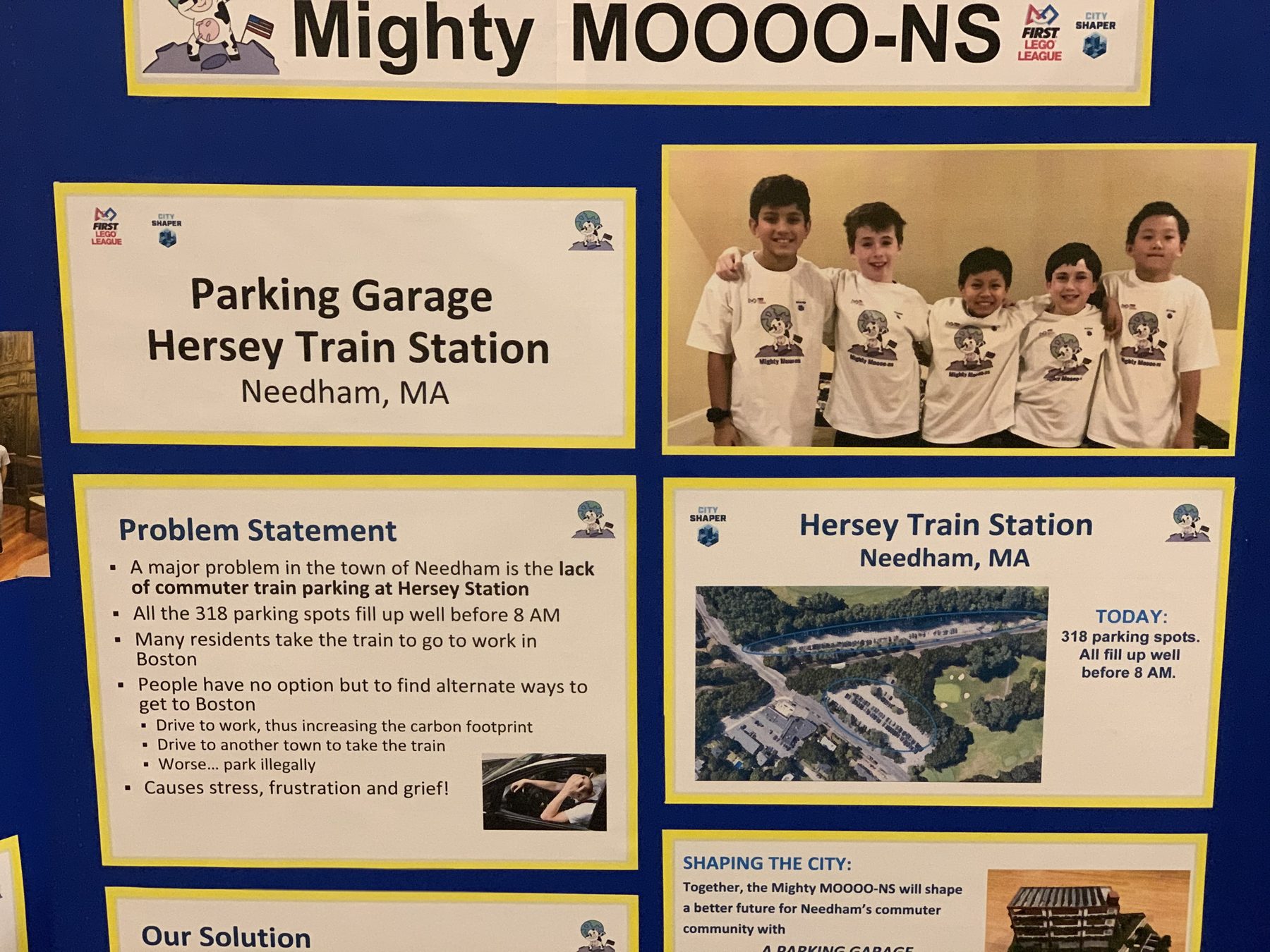
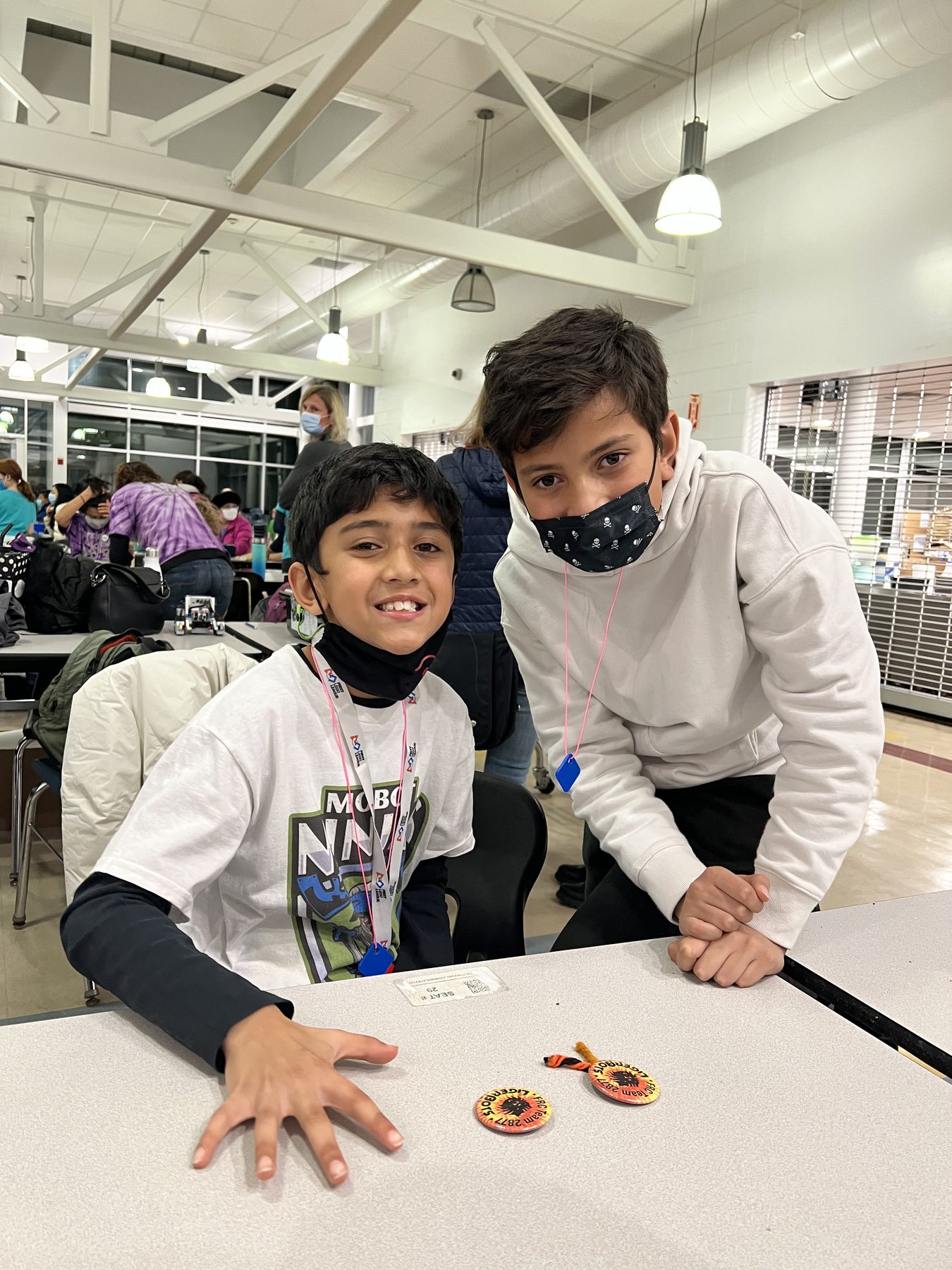
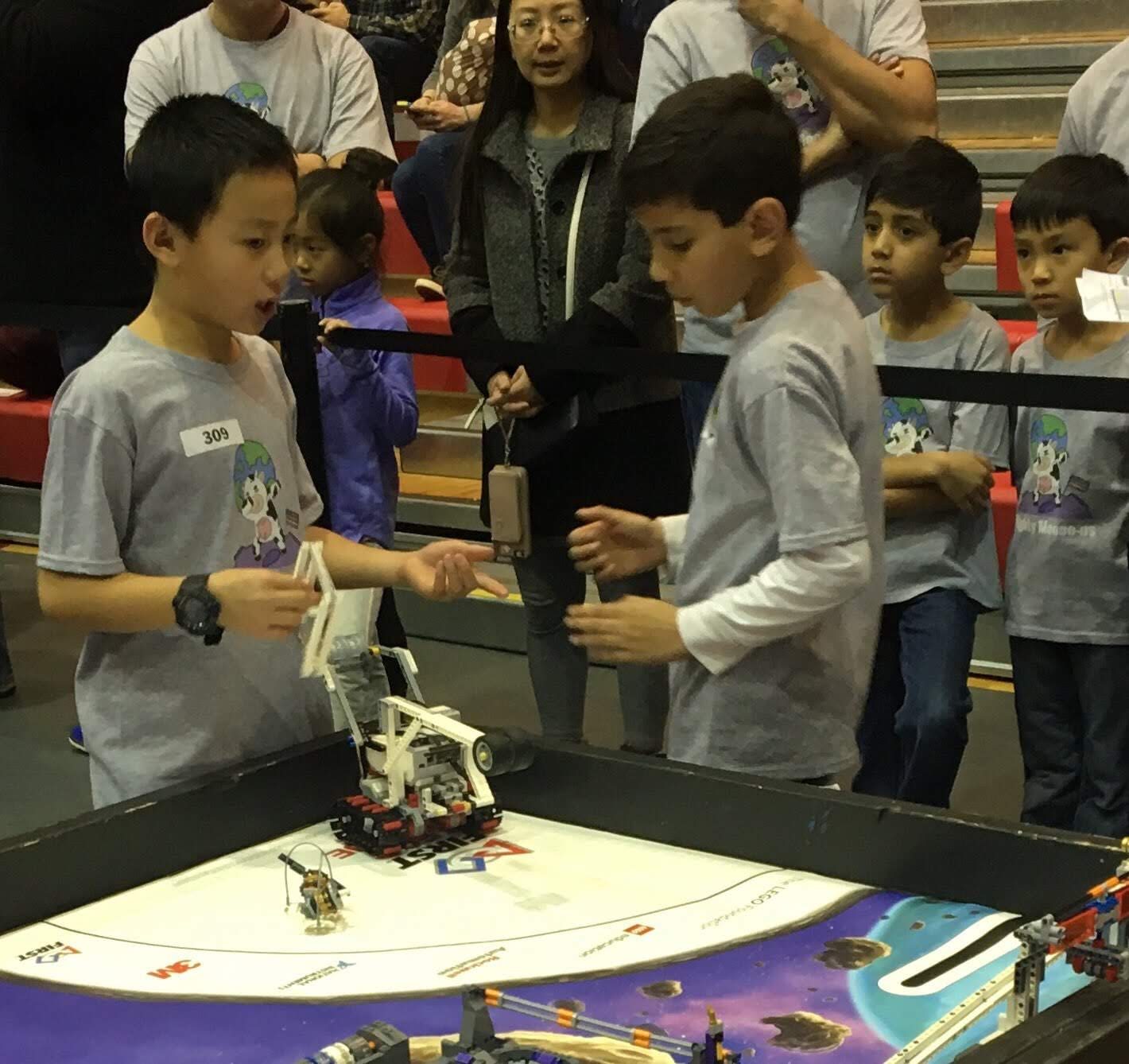
I started FLL in 4th grade at Mitchell Elementary. By 6th grade, my team — the Mighty MOOOO-NS — made it all the way to the World Level Competition and won 2nd place in the world in the robot design category. It was the moment a kid who loved building with LEGO bricks realized those bricks could take him anywhere.
2nd place · World Championship, robot design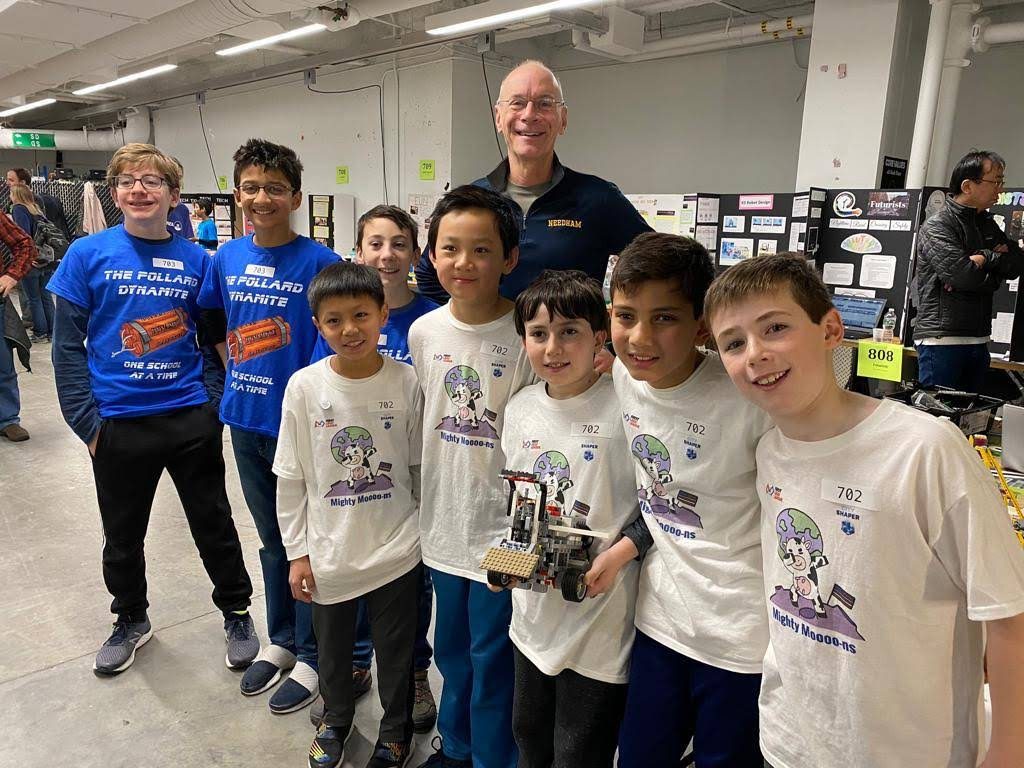
Growing my builder's toolkit
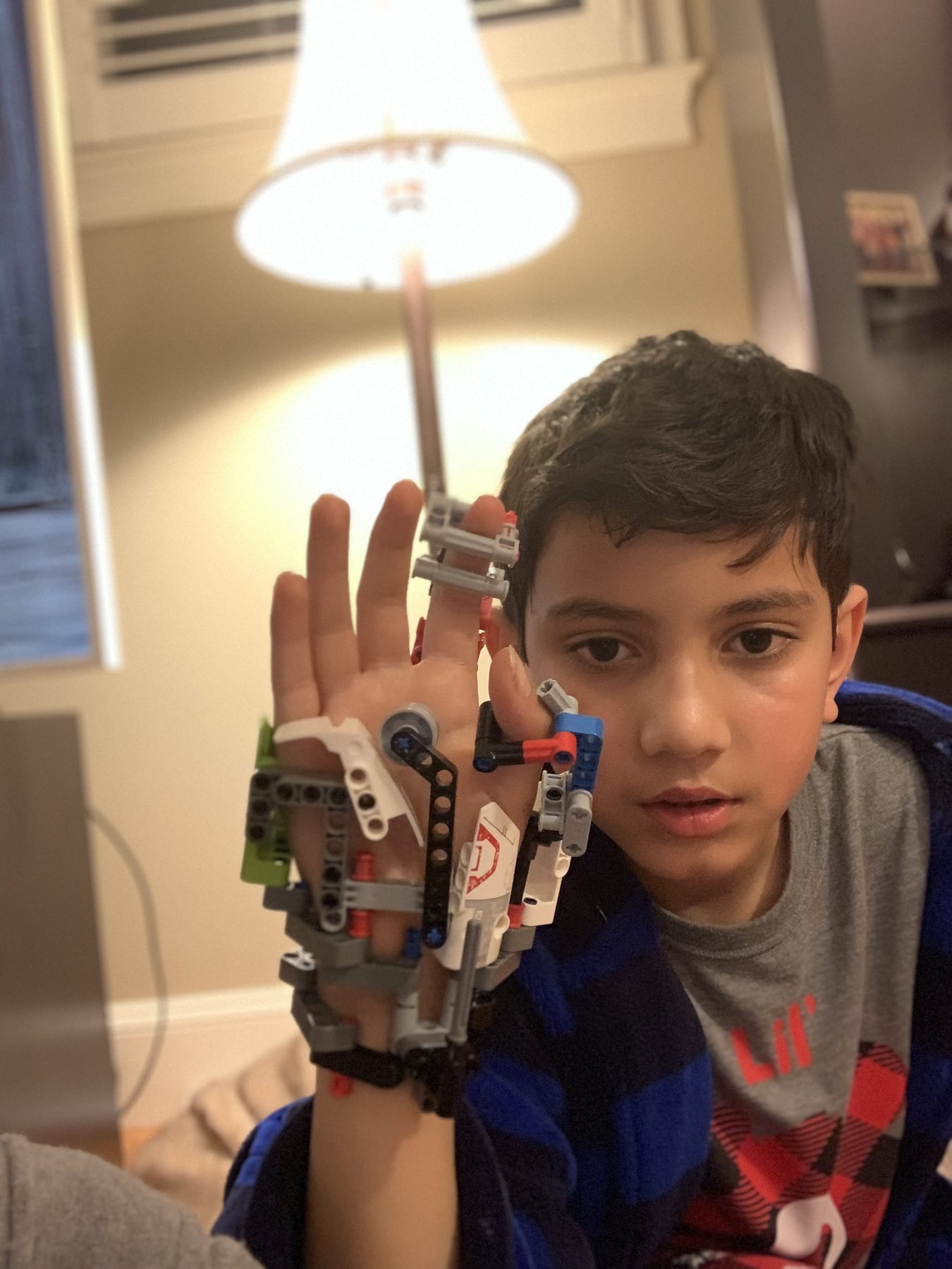
I continued FLL through middle school, adding speech team alongside it. These were the years engineering, creativity, and communication started to converge for me — and where I first started mentoring, watching my younger brother's FLL team and coaching them through the same competition I'd once run.
Starting over, mostly alone
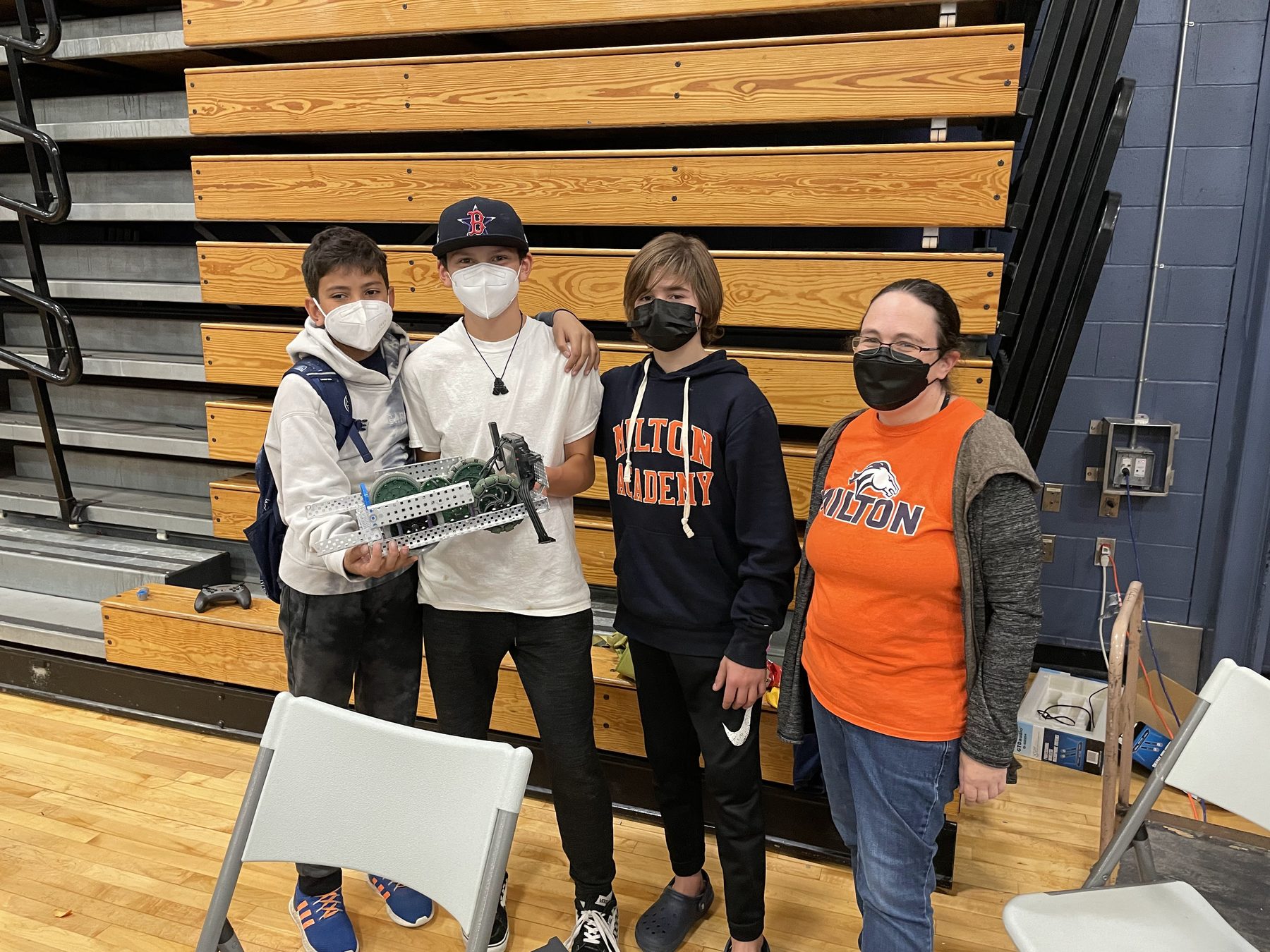
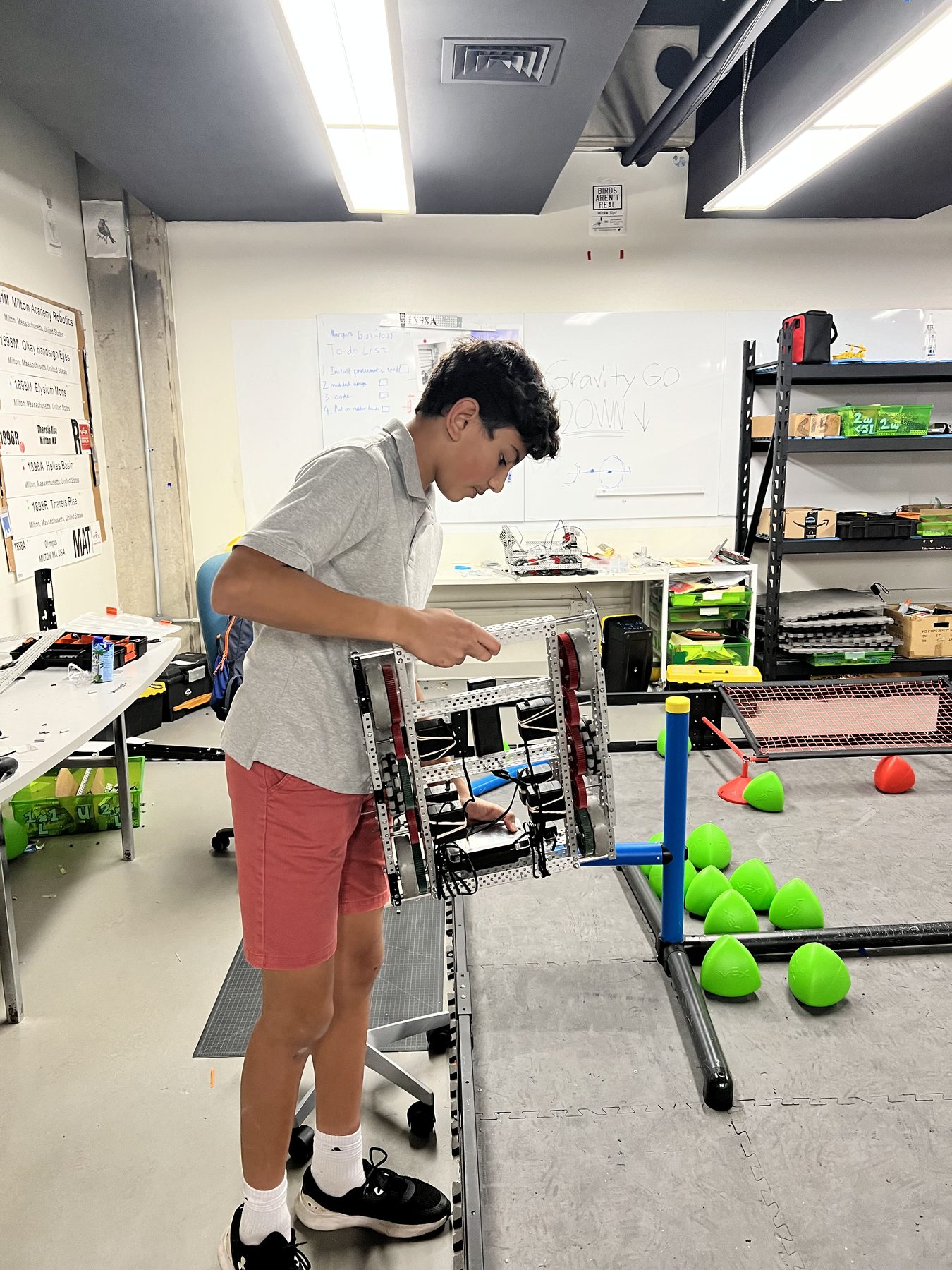
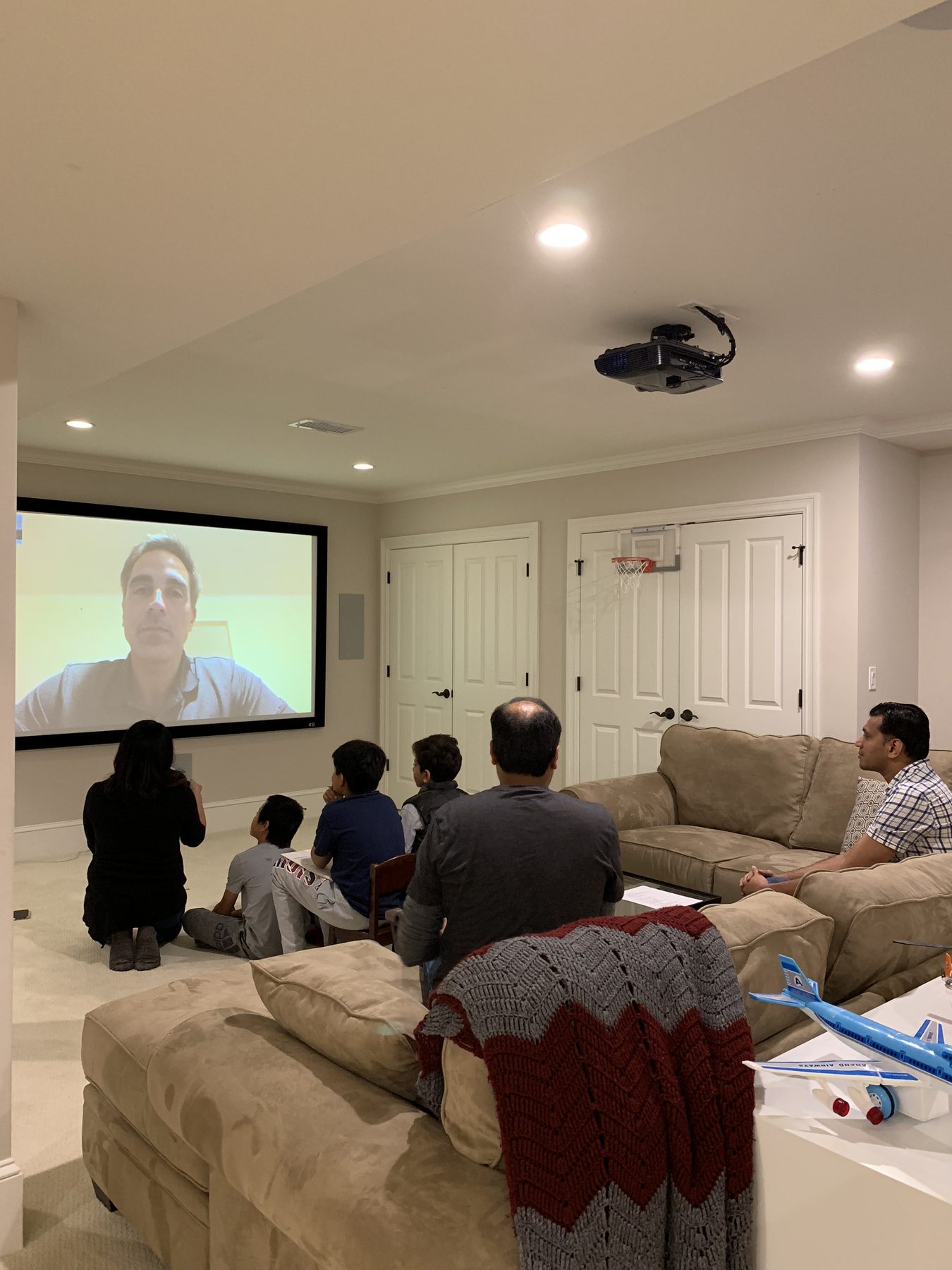
I'd planned to build with two freshman teammates — both committed to speech and debate instead. The one remaining teammate put in about a fifth of the time I did, so most weeks meant 10+ hours of building, programming, and documenting the robot largely on my own. We reached a regionals-qualifying autonomous score, but only after the season's final qualifying opportunity had already passed.
The two-week rebuild
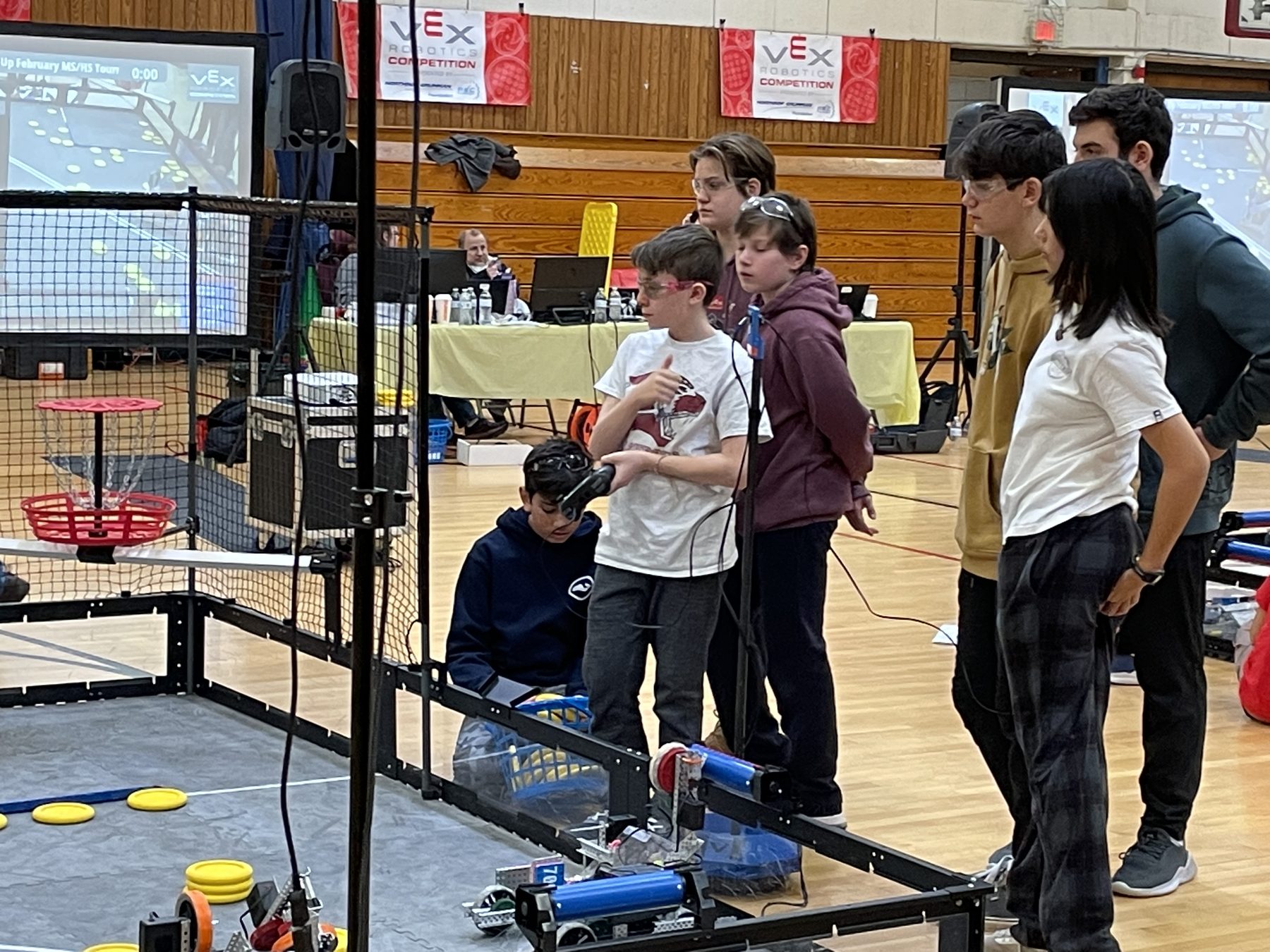
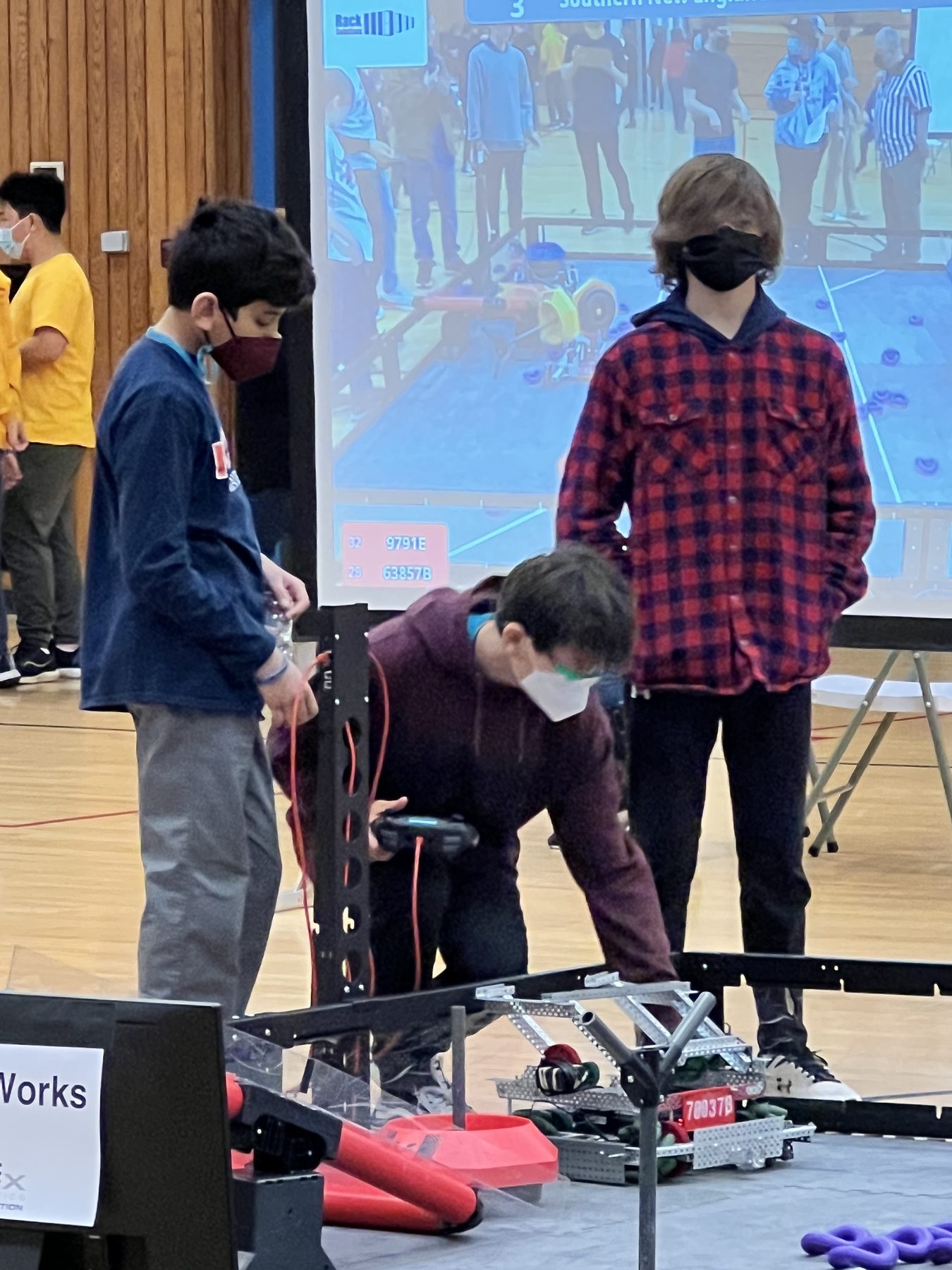
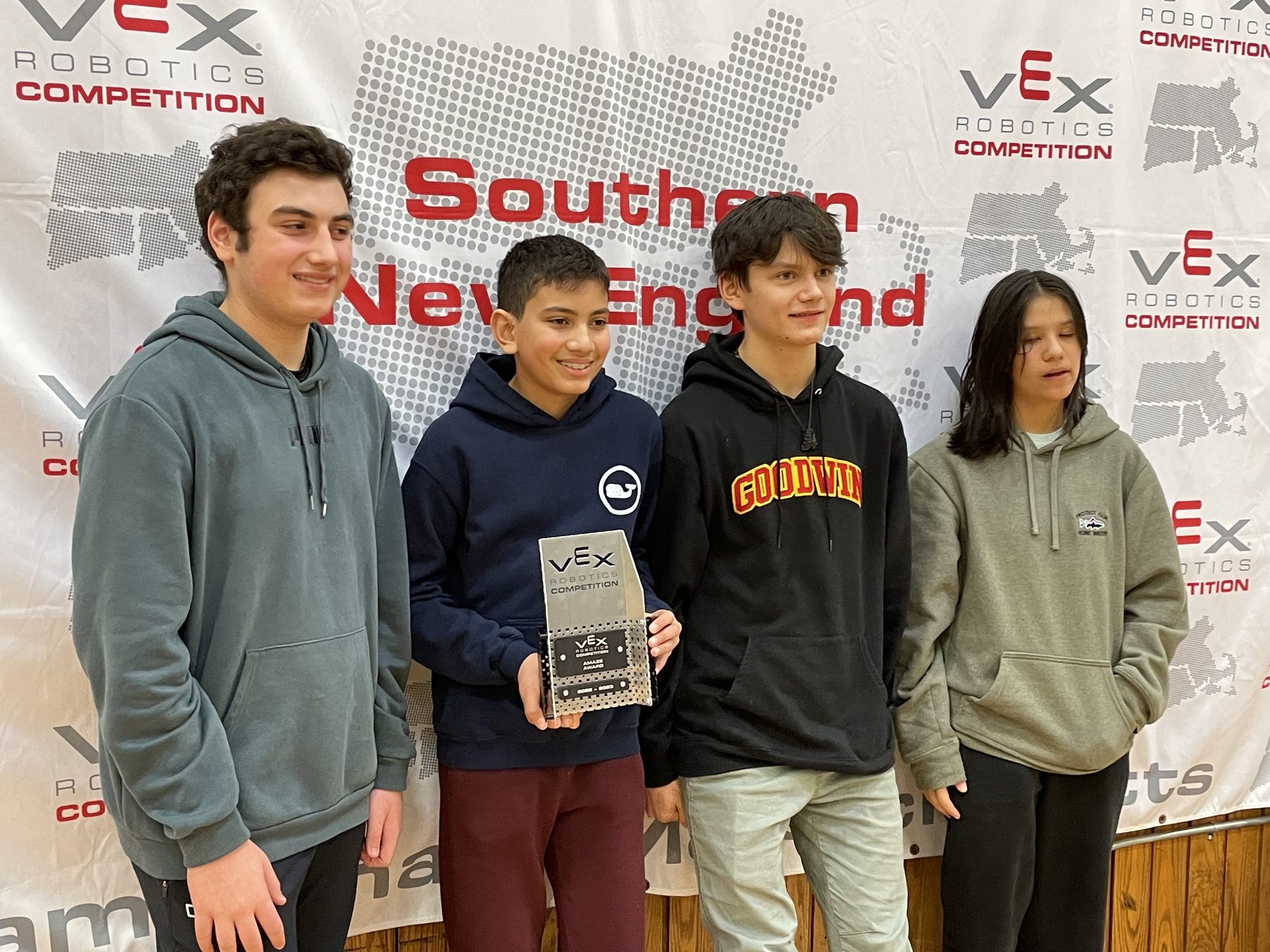
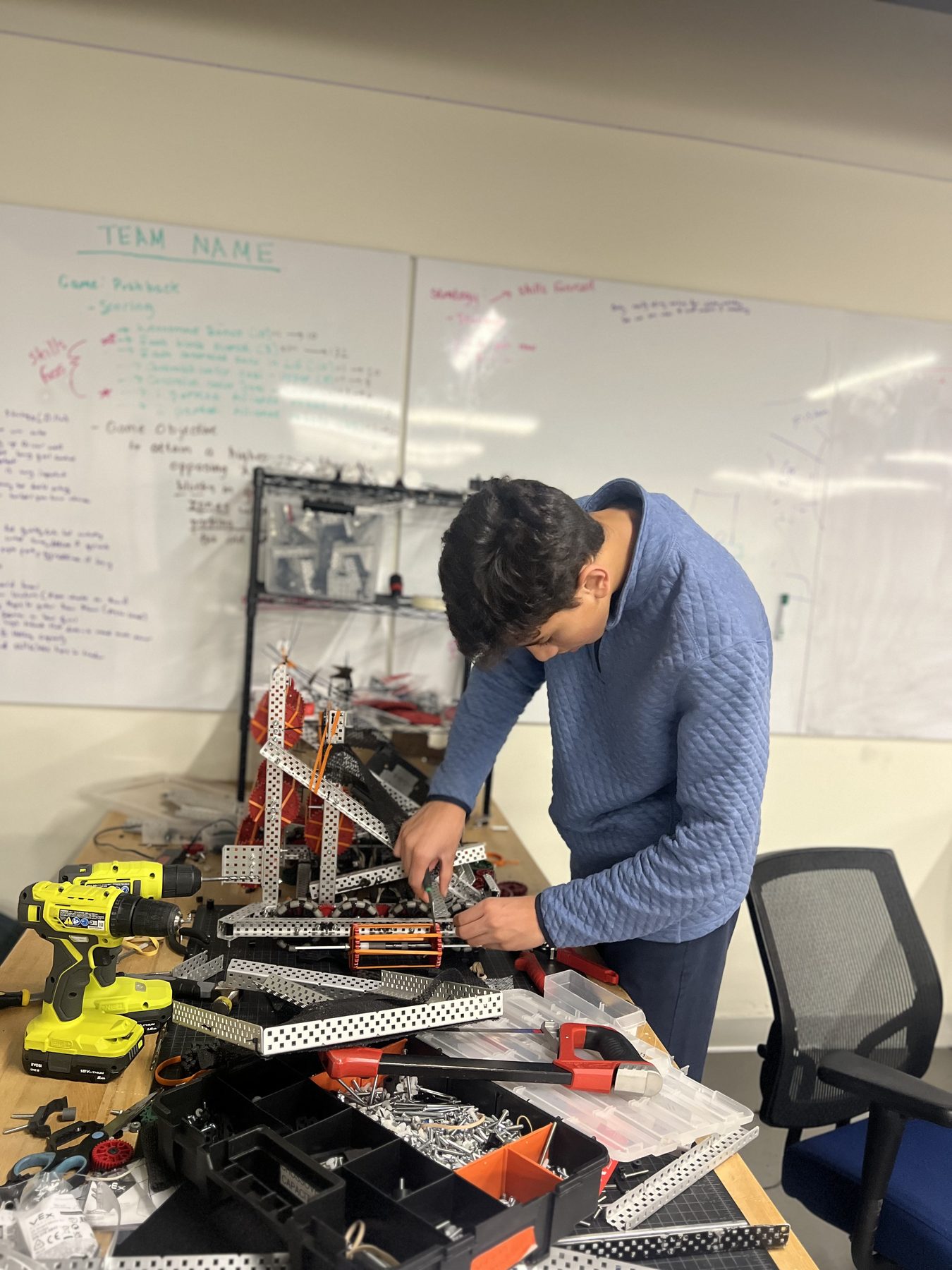
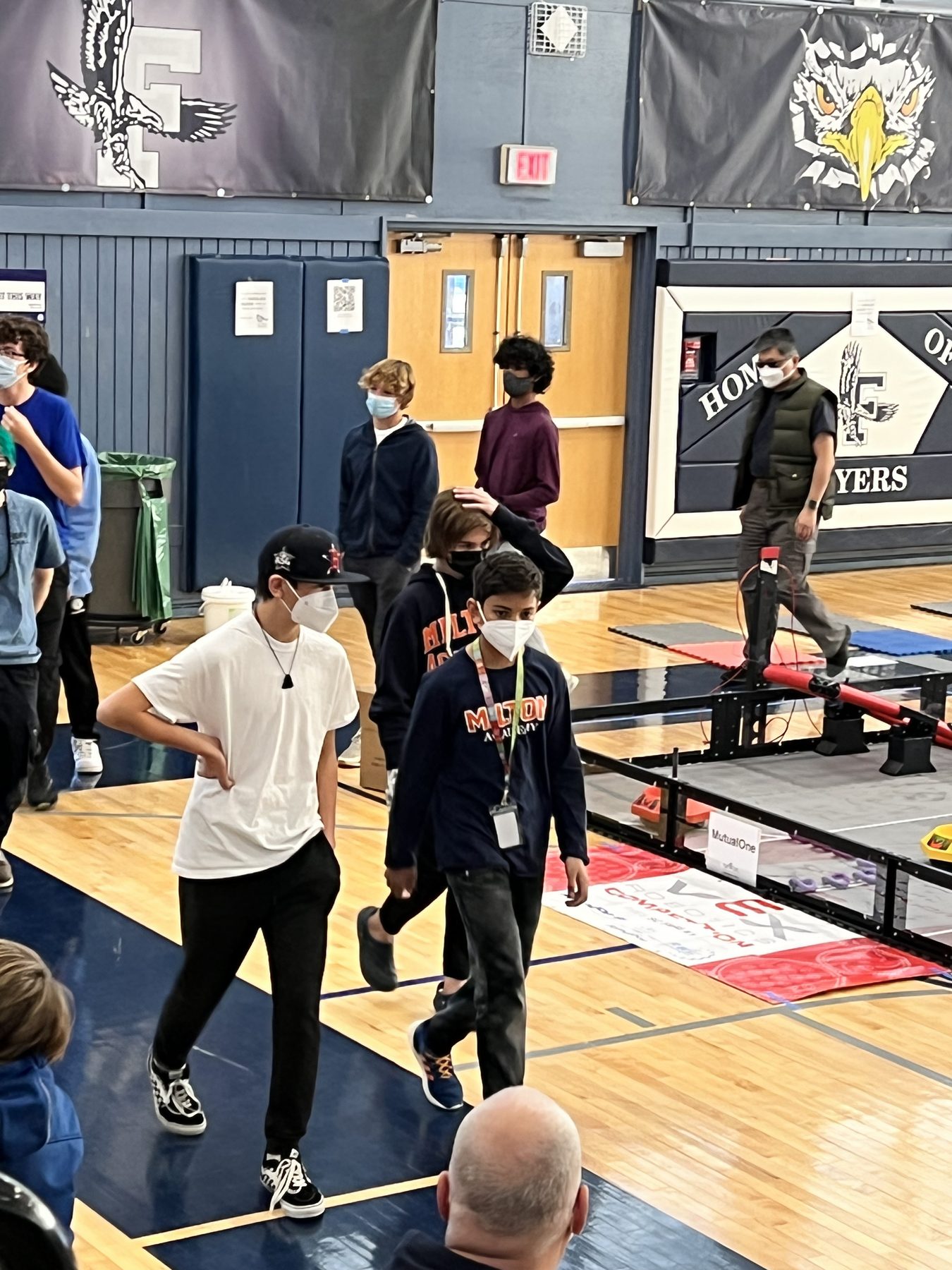
Three new members joined, though only one showed real staying power. With a small core group, we qualified for regionals early — but the robot was worn down, barely touched since the start of the season. Instead of playing it safe, my team ambitiously rebuilt the entire robot in two weeks on an untested design. We arrived at regionals underprepared to compete, but the design itself was genuinely innovative: judges interviewed us multiple times just to understand our approach. That recognition became the VEX Amaze Award.
Underprepared at regionals VEX Amaze Award — Southern New England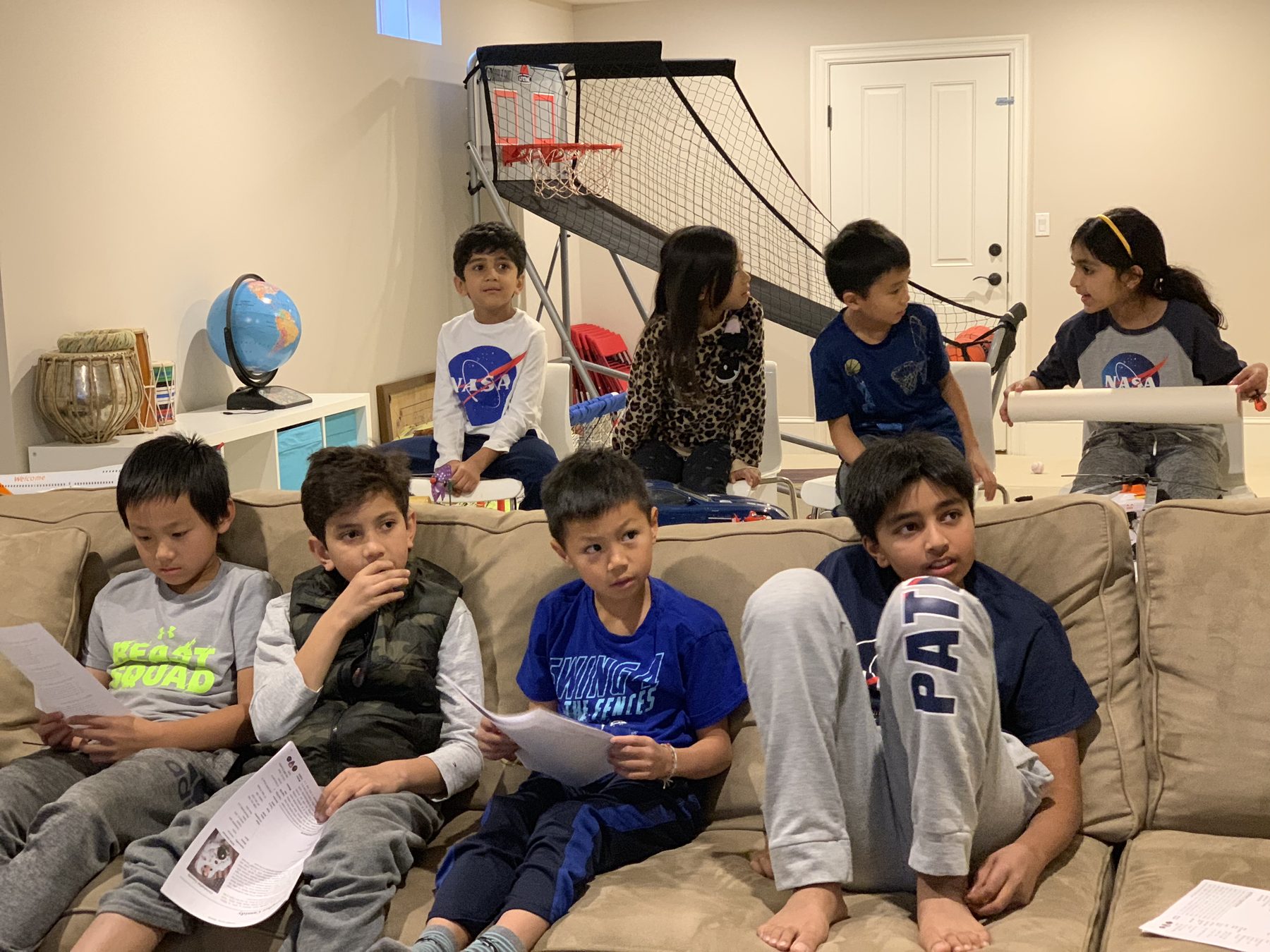
Ten new members, and a different kind of leadership
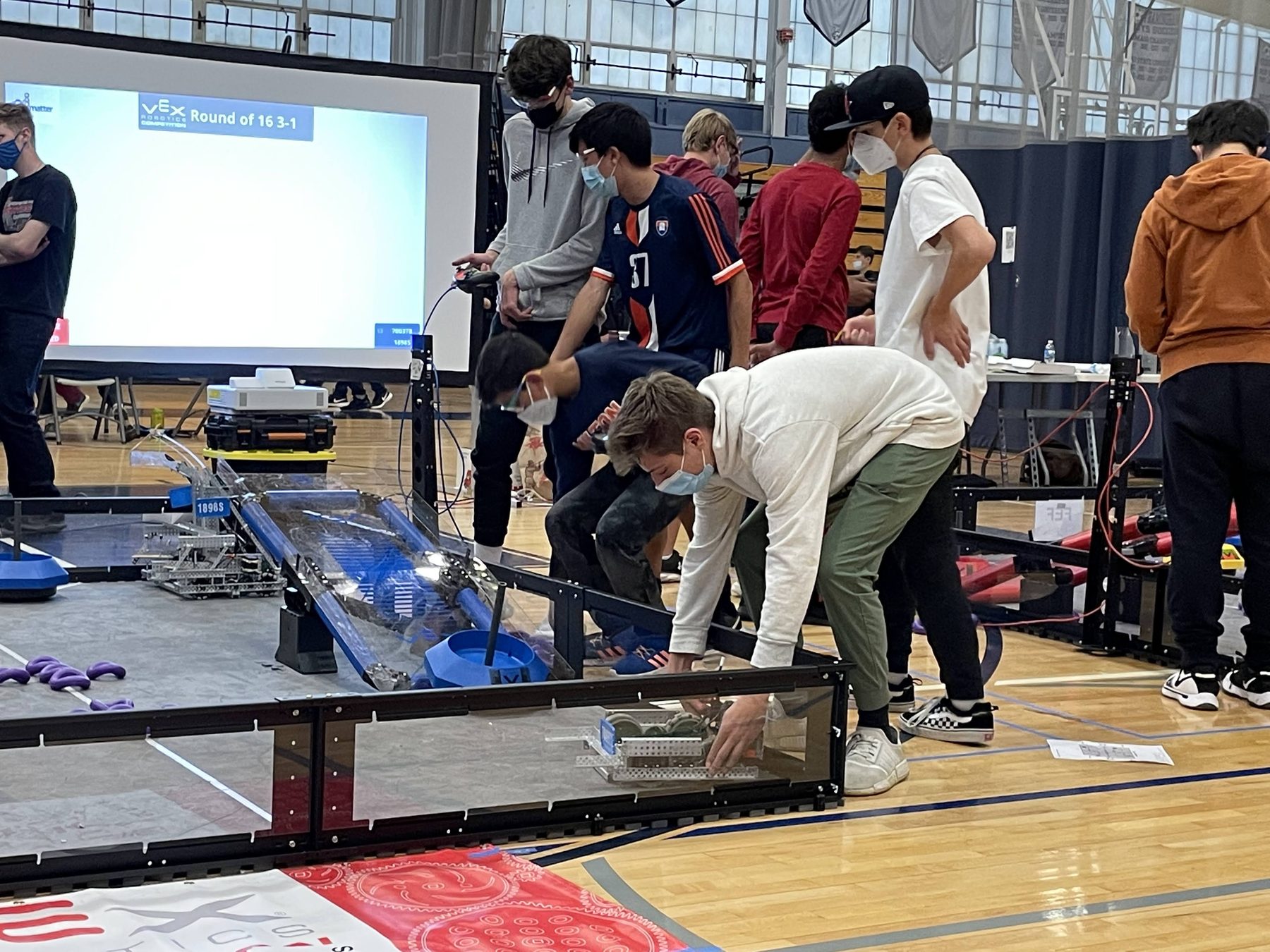
Instead of waiting for interest to trickle in, I recruited 10 people myself, then spent time before the season even started mapping out roles and responsibilities. Our first build, with so many new hands, wasn't very competitive — good robots don't come from good intentions alone. By midseason, a core group of five of us had found a rhythm, dividing work by skill: some programmed, some knew the game strategy, some modified the robot itself.
My own workload actually dropped that year — by design. My goal was to relinquish control so others could learn robotics the way I had. I still fixed what only I could fix, and my most important job became something less visible: keeping the team functional when five strong personalities disagreed. We hit a comfortable qualifying score at locals, prepared diligently for regionals, and even reached a world-qualifying autonomous score in practice. At the actual regionals tournament, we came up slightly short of the score we needed to advance.
Co-Head, still building
Now in my fourth year as Co-Head, I lead a fellowship of 13 members and four robots. Two years running, my team has qualified for the VEX Robotics Southern New England Regional Championship — and along the way, I built a Kinect-based camera path-planning system with feedback-based correction to make our robot's autonomous navigation more accurate. That project has since grown into its own research thread — more on that on my Research page.