Kinetic Chains: the biomechanics of a boxing strike
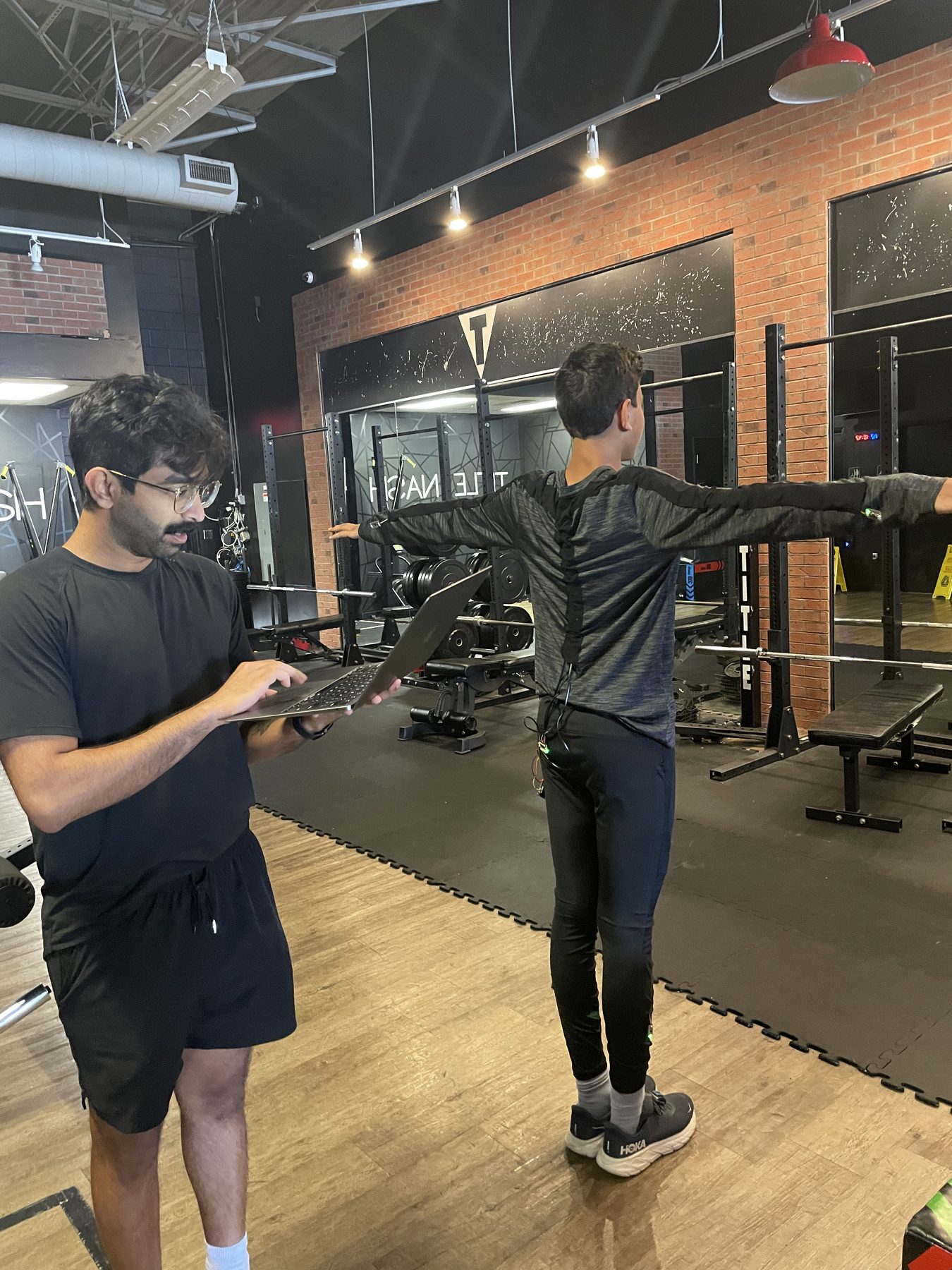
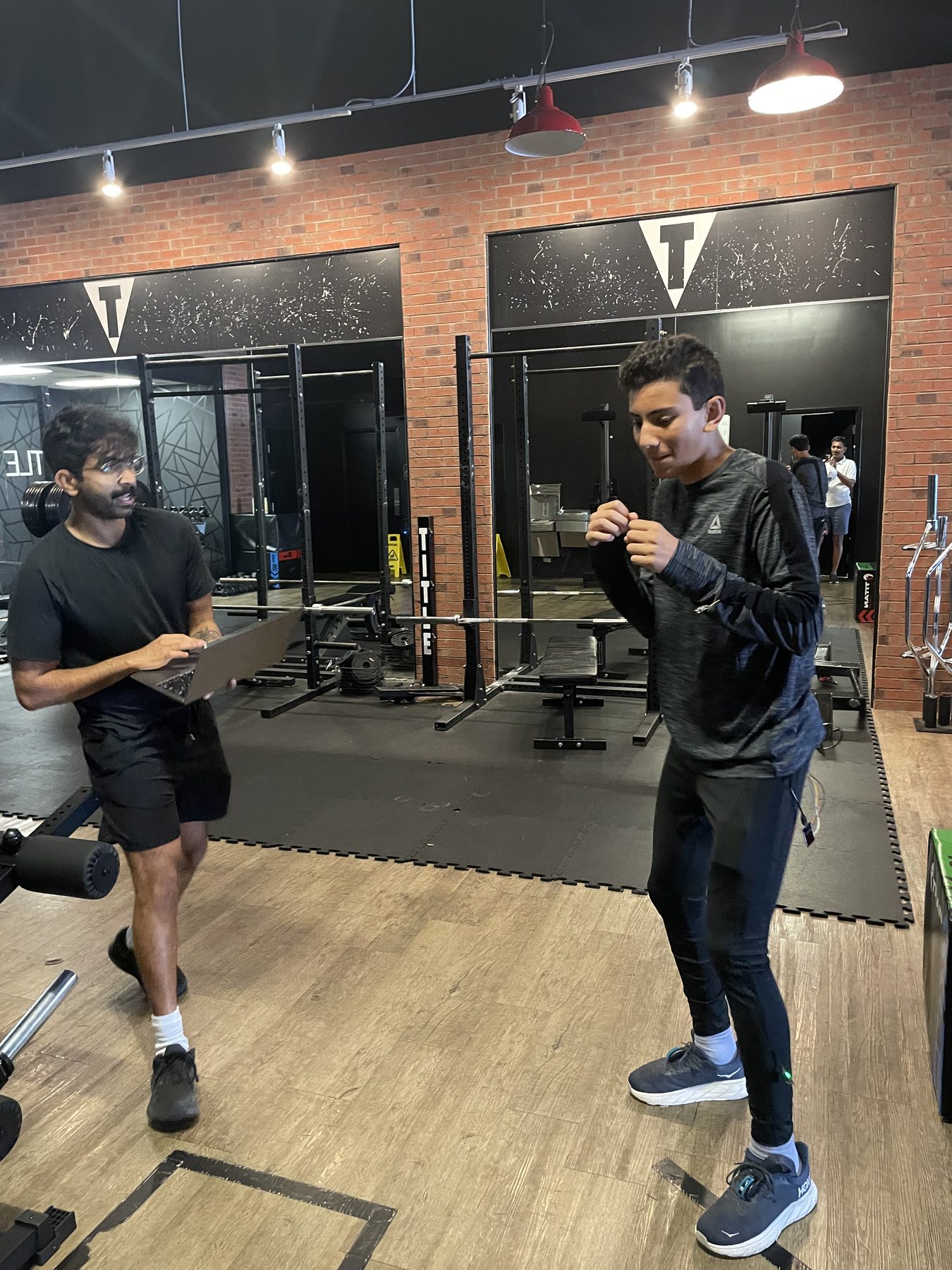
Working in the Robotics and Autonomous Systems Lab under Dr. Nibraas Khan (a PhD candidate under Professor Nilanjan Sarkar), I built a neural-network model that classifies six types of boxing strikes from wearable sensor data — achieving 95% accuracy with a leave-one-subject-out evaluation. The bigger questions stayed with me past the model itself: who owns this biometric data? How might wearable tech change how athletes are trained, and pressured?
The Crooked Foundations of Federal Housing Programs in America
A history paper I wrote examining the unintended consequences of federal housing policy in the United States — how programs designed to expand homeownership also entrenched patterns of exclusion that persist today. Published in the Oxford Journal of Social Sciences. It's the clearest expression of a belief that runs through all of my work: engineering and policy decisions always reflect values, whether or not anyone names them.
The Human Premium
Working with Arjun Ramani, a PhD candidate in economics, I investigate how disruptive AI will be to the job market — locating, aggregating, and visualizing consumer spending datasets from government records to compare products and services with a strong "human component" against those without one. Part of the work has involved building a rubric to classify what kind of human contribution actually makes a product or service meaningful to the people paying for it.
Kinect-based path planning for robot accuracy
What started as a practical fix for my VEX team's autonomous scoring turned into its own research question: could a Kinect camera system, paired with feedback-based correction, make a competition robot's path-planning meaningfully more accurate? I built and tested the system on my own team's robot on the VEX Robotics floor.